
The keno gaming lounge has become a familiar stop for Australians who want a casual numbers game without the commitment of table limits, but the real test is what happens after the welcome period ends. In my years building wagering products and steering startups through compliance and exit, I have always judged a venue by its retention mechanics rather than its launch splash, and that lens matters here.
Where the Keno Gaming Lounge Fits in a Darwin Session
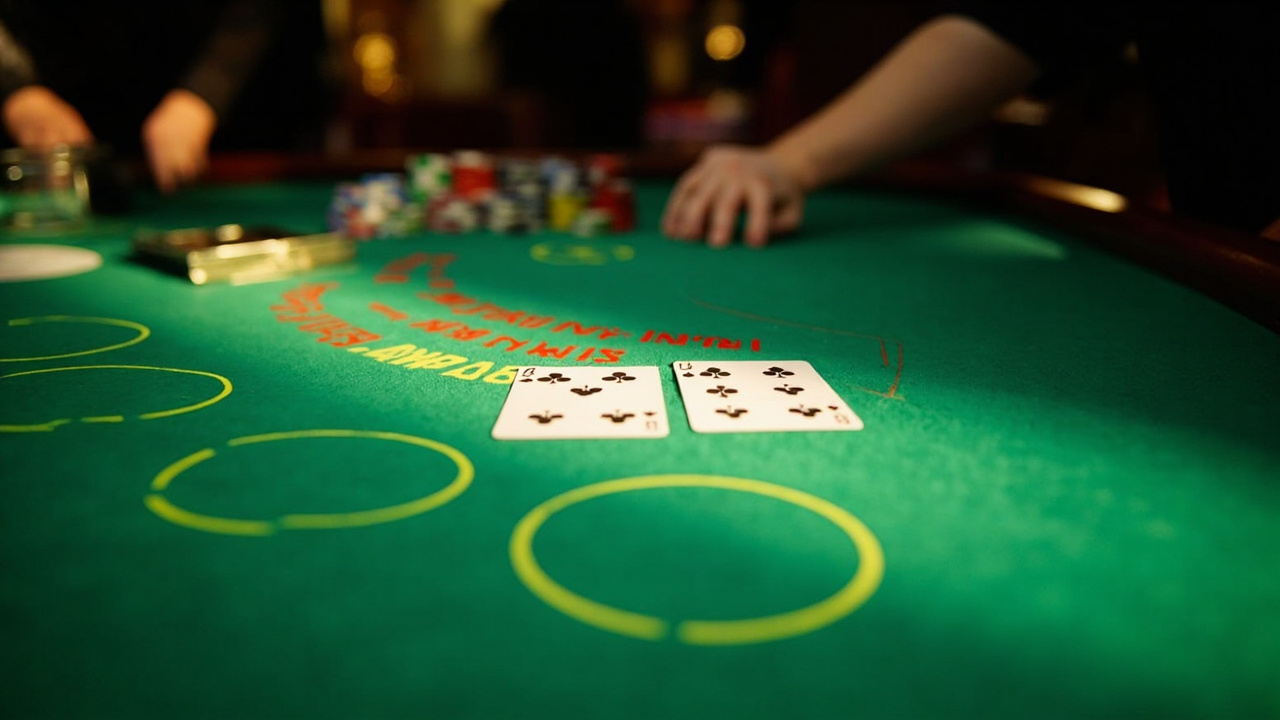
A keno gaming lounge works best when it sits alongside a broader casual-play floor, giving punters a low-pressure way to fill an arvo between bigger bets. I have seen operators in Darwin use that same logic to keep foot traffic steady through the wet season, when indoor entertainment becomes the obvious choice for locals and visitors alike. The appeal is straightforward: pick your spots, watch the draw, and keep your stake modest while the atmosphere does the heavy lifting. That simplicity is a genuine strength, but it only holds when the lounge is not trying to disguise slow play with this one flashy screens and confusing pay tables. In practice, the better setups keep the game visible, the terminal layout uncluttered, and the pace close to what you would expect from a live draw room rather than a slot floor.
The numbers side of things matters just as much as the ambience. Keno is built around frequency and visibility, so a lounge that runs draws at a sensible interval gives players enough rhythm to stay engaged without feeling rushed. I have reviewed products where the draw cadence was too fast for casual players to track their tickets properly, and that is a quiet retention killer. When the pace is right, you can actually see why people come back: the game is easy to read, the tickets are simple to manage, and the session feels like a proper break rather than a grind. That is the part many operators miss when they treat keno as filler content instead of a deliberate lounge anchor.
| Feature | What to look for |
|---|---|
| Draw frequency | Regular intervals that match casual play, not a rushed machine rhythm |
| Ticket layout | Clear spot selection and readable pay terms on screen |
| Floor placement | Visible from the bar or lounge area without crowding terminals |
| Pace of service | Staff who can explain a ticket without slowing the draw cycle |
A good keno gaming lounge also understands that not every visit is about chasing a big hit. Some players are there for a quiet twenty minutes with a drink, others are tracking a pattern across a few sessions, and the floor should accommodate both without making either feel out of place. That balance is harder to get right than it sounds, because the temptation is always to push faster play or heavier stakes. I have sat in on product reviews where the team argued for tighter ticket limits to protect casual retention, and that kind of call usually pays off over time. The venues that last are the ones that treat the lounge as a steady earner, not a quick spike.
Ongoing Value After the Welcome Offer
The welcome offer gets attention, but the keno gaming lounge that keeps people coming back is the one with recurring promos that actually make sense for numbers play. Cashback on lost tickets, small loyalty boosts after a set number of draws, and occasional tournament-style leaderboards can all work, provided they are not dressed up as something they are not. I have always treated ongoing promos as a retention budget, not a marketing gimmick, and that means the terms need to be readable before a player commits. If the recurring value is hidden behind narrow windows or awkward wage requirements, the lounge loses the very people it was trying to keep.
Loyalty and VIP treatment should feel proportionate to how often someone actually plays, not like a separate tier that only a handful of whales can reach. A sensible programme rewards regularity with small, usable perks rather than grand promises, and that approach tends to suit keno better than high-pressure VIP calls. Tournaments can add a bit of competition, but they work best when they are short, clearly scored, and tied to the same ticket mechanics players already understand. I have seen analytics teams, including Andrew Robinson, Head of Analytics at Waratah Digital Group, point out that repeat play often hinges on how predictable the reward loop feels, and that is a fair call. When the loop is clear, players know what they are signing up for and can decide whether it suits their session.
A practical way to judge the recurring side is to look at whether the promos are built around the game people are actually playing, rather than generic bonuses that feel bolted on. Cashback that returns a modest slice of losses over a set period can soften a slow session without pretending to eliminate risk. Loyalty points that convert into small stake credits or lounge perks can make a second visit more tempting than a one-off welcome bump. The key is consistency, because a keno gaming lounge that changes its rules every few weeks looks uncertain, and uncertain products do not hold casual players for long. I have made that judgment call on more than one exit review, and it is usually the retention mechanics that separate a durable operation from a flash-in-the-pan launch.
Payments, Access, and the Compliance Side
Money movement and access are where a keno gaming lounge either looks settled or starts to feel flimsy. For an Australian audience, the practical details matter: how you fund a session, what currencies are shown, how quickly a withdrawal moves, and whether the registration process is straightforward without cutting corners on identity checks. I have worked with teams that tried to speed through verification to improve conversion, and that usually creates more trouble than it solves once compliance questions land. A clean registration flow that still asks for the right documents is the better trade-off, because it keeps the lounge defensible and the players less frustrated later.
Mobile access should be genuine rather than a stretched desktop page pretending to be an app. The game itself is simple enough that a responsive layout can work well, but the experience still needs to hold up when someone is playing on a phone between other things. Support matters here too, because a lounge that cannot answer a payment or ticket question promptly will lose trust faster than one with a slightly slower draw cycle. I have always reckoned that support is part of the product, not a cost centre, and that view tends to surface in the operators who manage to keep their retention numbers steady.
For players comparing jurisdictions, it is worth reading a focused piece on local rules for online gaming before assuming the same setup applies everywhere, because licensing and player protection vary by market. That kind of context is useful even when the lounge itself is aimed squarely at an Australian session, since it reminds players that not every product is built under the same rules. Back on the payments side, a sensible lounge keeps currencies clear, shows limits in plain terms, and does not hide the practical steps behind a wall of marketing copy. Those details are less exciting than a welcome bonus, but they are what make repeat play feel manageable instead of uncertain.
If you are weighing up a first deposit incentive, it is worth checking the best hellspin bonus 2024 only as one small part of the picture, because the welcome amount means little if the recurring terms and payment flow do not hold up. I have seen too many players focus on the headline figure and then discover the real friction later, so the better habit is to read the whole loop before committing. A keno gaming lounge that gets the basics right on payments, access, and support usually has enough substance to keep people playing without needing to shout about it.
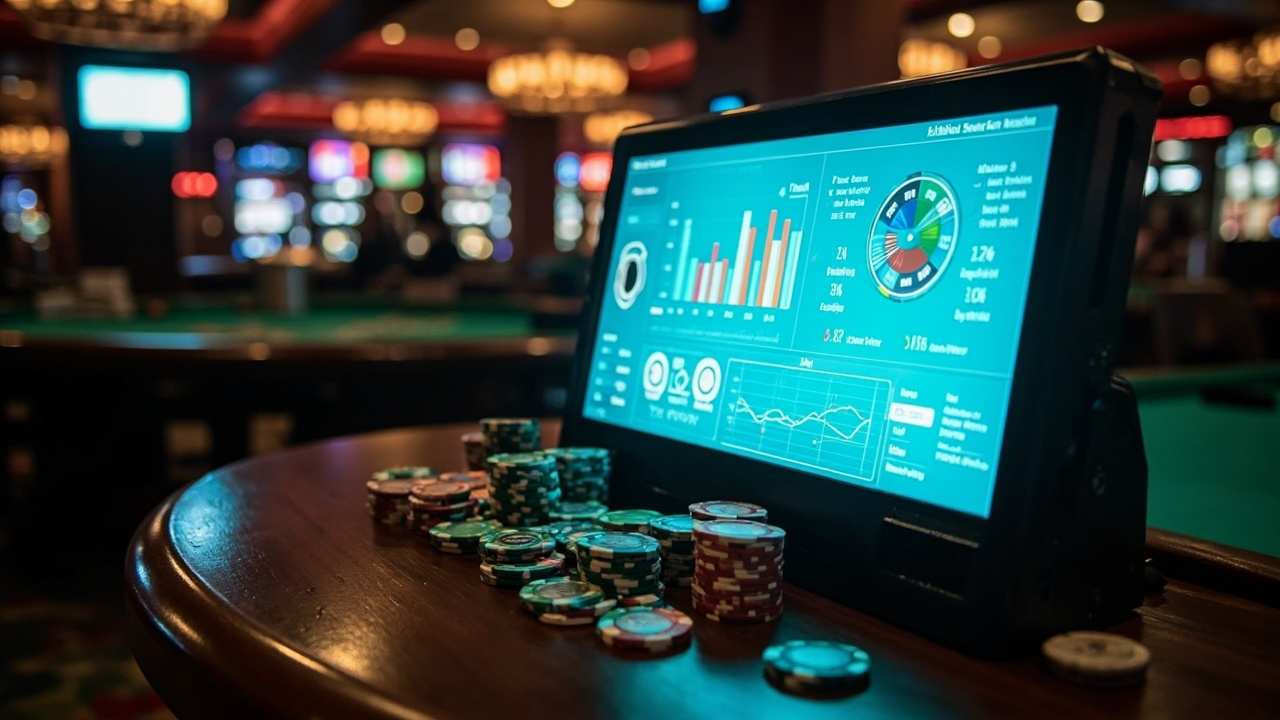
A decent lounge keeps the practical side visible, from registration to payout, so players are not guessing at the edges of the experience. That is the part I look for first when I am judging whether a product can hold its own, because the glamour of a launch fades quickly if the everyday mechanics are awkward. When the money side is clear and the support is reachable, the game itself can do what it is supposed to do: give people a casual numbers session that feels worth returning to.